top of page

Educate
Advocate
Act

Bee City celebration 2025.jpg

Next online presentation: 
February 26th

Support Washington Pollinator Research

With our partners at Quamash Ecoresearch

Bee specimens in rows inside Washington State outline

There are 600+ native bee species found in
Washington State

Three bees on a white background
landscape-thePalouse.jpg
landscape-pacificRhododendron.jpg

Washington State is a diverse landscape

From coastal rainforests, to mountain meadows, sunlit shrub-steppe desert and bountiful agricultural regions...

landscape-columbiaNWRcolumns.jpg
mimaMounds-wanbs-banner.jpg
landscape-alkaliBee.jpg

The Washington Native
Bee Society

We are an inclusive group that encourages bee enthusiasts of all interest levels and backgrounds to get involved, from the average lay person or student to the full-time bee researcher.   

We endeavor to create a platform for groups and individuals throughout the State of Washington to show off their research, artwork, and community projects while also acting as an umbrella under which we can embrace and build up those in the bee community that need support. 

Join us!
Small carpenter bee in flight
columbiaNWR.png

Each plays a vital role in our state's intricate web of life

From coastal rainforests, to mountain meadows and shrub-steppe desert,

At the Washington Native Bee Society, we are passionate about this diversity and seek to preserve it for generations to come. 

Upcoming Events

  • Building a Bee City: The Vancouver Story
    Building a Bee City: The Vancouver Story
    Feb 26, 2026, 7:00 PM – 9:00 PM PST
    Zoom
    The city of Vancouver, Washington is buzzing with excitement as it joins the vibrant movement of Bee City USA communities committed to safeguarding our pollinators! Join us as Kyle Roslund reveals how city entities united to prioritize pollinator-friendly practices in their decisions and policies.
  • Western Washington University Entomology Open House
    Western Washington University Entomology Open House
    Mar 07, 2026, 1:00 PM – 4:00 PM
    Biology Building, Biology, Bellingham, WA 98225, USA
    Are you interested in insects or do you work with students and/or community members who may interested in insects? Then the WWU Insect Collection Open House is for you! This is a free event open to the public.
  • Chanda Bartholomew: The Washington State Bee Checklist
    Chanda Bartholomew: The Washington State Bee Checklist
    Jan 22, 2026, 7:00 PM – 9:00 PM
    Zoom
    Chanda Bartholomew will discuss the process and the challenges encountered while building the Washington bee checklist.
  • Joe Dlugo: The Eyes of Bees
    Joe Dlugo: The Eyes of Bees
    Dec 11, 2025, 7:30 PM – 9:00 PM
    Zoom
beePoster-wanbs-grayOUt-2024.jpg

Disappearing species

50% of the 600 bees have not been collected or reported since the 1970s

donRolfs-lifeSizeBees.jpg

Add a Title

Add paragraph text. Click “Edit Text” to update the font, size and more. To change and reuse text themes, go to Site Styles.

Add a Title

Add paragraph text. Click “Edit Text” to update the font, size and more. To change and reuse text themes, go to Site Styles.

Add a Title

Add paragraph text. Click “Edit Text” to update the font, size and more. To change and reuse text themes, go to Site Styles.

banner-lasioglossumMint-home-20240905.jpg

Our work

Washington Native Bee Society has been hard at work building a better world for bees in our state. Find out we have achieved, our bold plans, and how you can get involved.
pollinatorGarden-bkgd-dall-e.webp

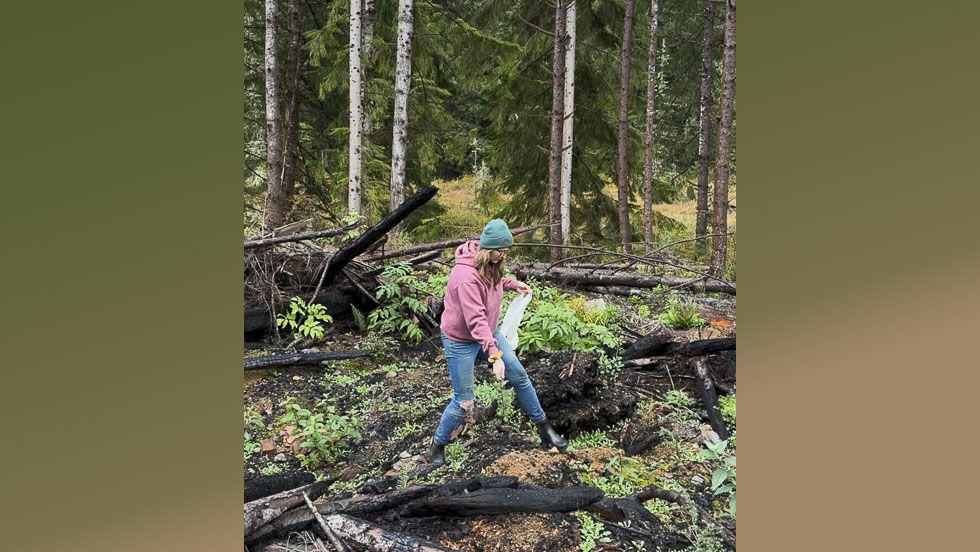
Build your Washington bee garden

Washington is a diverse land encompassing habitats from rainforest to high desert. Discover how your backyard habitat can be enhanced for bee conservation

Latest News

Bumblebee on a bistort flower with Mount Rainier and Paradise Meadows in the background

Bee habitat: Paradise Meadows, Mt. Tahoma/Rainier National Park

High mountain meadows in western North America rarely match the floral abundance found at Paradise. With so many blooms, pollinators are plentiful—especially bumble bees. Here, a Bombus sylvicola feeds on a bistort flower. Image by Joe Dlugo.

bottom of page